What is router in networking and how it works?
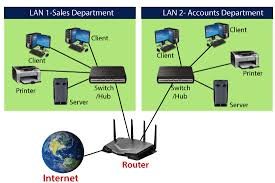
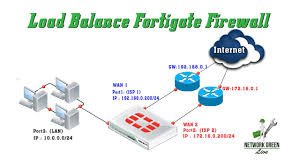
A router is a networking device that connects multiple networks (such as connecting a home Local Area Network, or LAN, to the Internet/WAN) and acts as a traffic director. It receives, analyzes, and forwards data packets between networks to their intended IP addresses, ensuring efficient data routing and enabling multiple devices to share one internet connection.
How a Router Works
- Data Packet Routing: When a device requests data (e.g., loading a webpage), the router receives this data packet and reads its destination IP address.
- Consulting Routing Tables: The router checks its internal “routing table“—a map of network paths—to determine the fastest, most efficient route for the packet.
- Traffic Management: The router forwards the packet to the next node in the network (often another router or modem) until it reaches its destination.
- Network Address Translation (NAT): Routers act as a central hub, allowing multiple devices (phones, laptops) to share a single, public IP address provided by an ISP.
Security & Wi-Fi: Modern routers provide basic security features and often include Wi-Fi capabilities, emitting wireless signals for local devices.
Key Differences
- Router vs. Modem: A modem connects your home to the Internet Service Provider (ISP), while a router connects your devices to the modem and to each other.
- Layer of Operation: Routers operate at the Network Layer (Layer 3) of the OSI model.