What is l2 switch in networking?
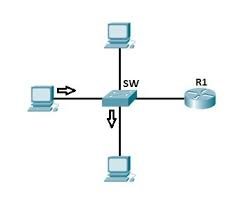
A Layer 2 (L2) switch is a high-speed networking device operating at the Data Link layer (Layer 2) of the OSI model, primarily used to connect devices within a local area network (LAN). It forwards data frames based on destination MAC addresses, using a MAC address table to direct traffic specifically to the intended port, reducing network congestion and collisions.
Key Features and Functions:
- MAC Address Table (CAM Table): The switch learns the MAC addresses of connected devices and maps them to physical ports to make efficient forwarding decisions.
- Frame Forwarding: Unlike hubs that broadcast data to all ports, L2 switches send frames directly to the specific destination port.
- Collision Domain Segmentation: Each port on a switch is a separate collision domain, significantly increasing network efficiency.
- VLAN Support: L2 switches support Virtual Local Area Networks (VLANs), allowing network administrators to segment a single physical switch into multiple logical networks.
- Loop Prevention (STP): They use Spanning Tree Protocol (STP) to prevent network loops, which can cause broadcast storms.
L2 Switch vs. Other Devices:
- Vs. Hub: A hub shares bandwidth and broadcasts all traffic, while a switch dedicates bandwidth to each port and directs traffic.
- Vs. L3 Switch: An L2 switch operates based on MAC addresses within a single network (LAN), whereas a Layer 3 switch can route traffic between different networks using IP addresses.
L2 switches are essential for connecting end systems like computers, printers, and servers within a LAN due to their high speed, cost-effectiveness, and ease of use.