How to mac address band with firewall
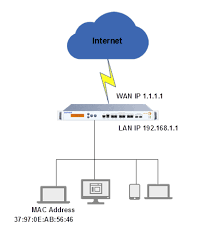
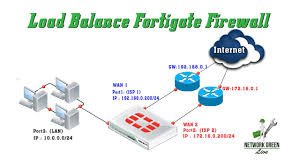
MAC address filtering or binding on a firewall is achieved by identifying a device’s unique hardware address and creating a firewall rule to “Allow” or “Block” its traffic. This is done via the firewall’s web interface, typically under “Policy & Objects,” “Firewall Settings,” or “Device Inventory”.
Steps to Block/Filter MAC Address on a Firewall:
- Identify the Device: Use
ipconfig /all(Windows) or similar commands to find the physical MAC address of the target device. - Create a MAC Address Object: Navigate to the firewall’s Policy & Objects or Security settings, select Addresses/Hosts, and create a new object of type “MAC Address” or “Device”.
- Configure the Firewall Rule:
- Create a new rule (e.g., “MAC Block Policy”).
- Set the Source as the newly created MAC address object.
- Set the Action to “Deny” or “Block” (or “Allow” if using a whitelist approach).
- Apply the rule to the LAN interface.
- Save and Apply: Save the rule and place it at the top of the policy list for immediate effect.
Alternative Methods:
- Router/DHCP Binding: In home or small office routers (e.g., TP-Link), navigate to the DHCP server or IP-MAC binding section to map a specific IP to a MAC address.
- Layer 2 Security: Some network environments use port security on switches to restrict devices by MAC address.
www.tp-link.com +1
Note: MAC filtering is primarily effective within the local area network (LAN) and does not inherently block traffic across different network segments or the internet, as MAC addresses are stripped at the router.