DATA CENTER DESIGN & BUILD
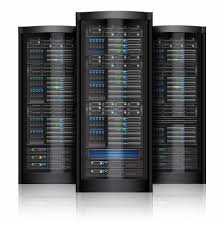
- Make sure an enterprise data center is necessary
Trends in Data Center Infrastructure
On-premises facilities provide organizations with comprehensive control over their data environments, allowing for tailored security, customization, and management. However, the significant financial investment required for construction, ongoing maintenance, and scalability has led to a notable decline in their prevalence.
According to the Uptime Institute’s projections for 2025, more than fifty percent of IT workloads are anticipated to be managed outside of traditional on-premises data centers. This shift underscores the growing adoption of cloud-based solutions and hybrid architectures, which offer enhanced flexibility, cost-efficiency, and rapid scalability to meet evolving technological demands.
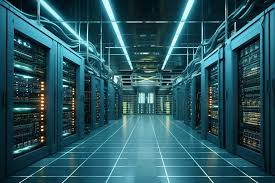
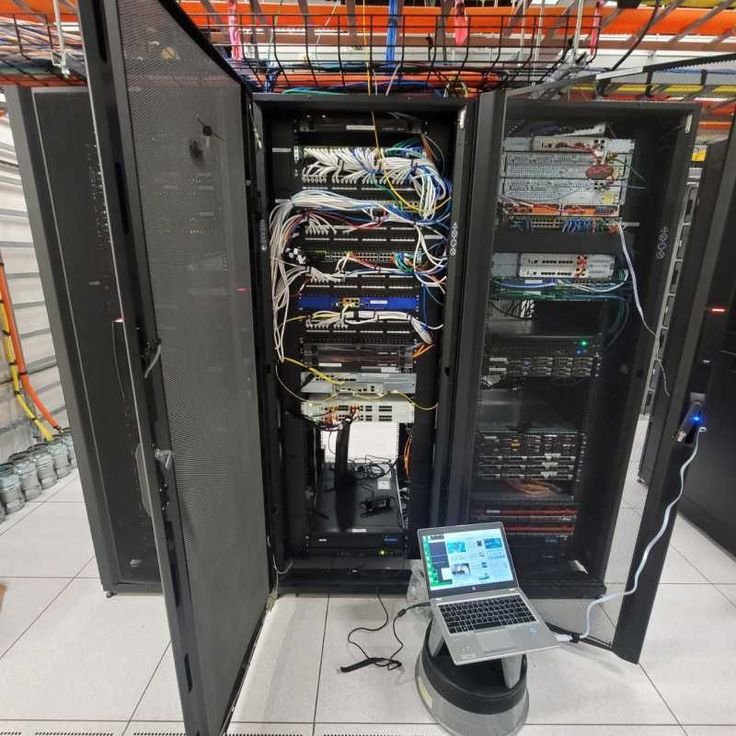
Developing the Optimal Technology for Data Centers
Creating the best technology for data centers involves a comprehensive approach that emphasizes innovation, reliability, scalability, and security. The following guidelines outline essential considerations and strategies to achieve this goal:
1. Prioritize Energy Efficiency and Sustainability
- Implement advanced cooling solutions such as liquid cooling or free-air cooling to reduce power consumption.
- Utilize energy-efficient hardware components, including low-power processors and storage devices.
- Incorporate renewable energy sources and smart energy management systems to minimize environmental impact.
2. Invest in High-Performance Hardware
- Select cutting-edge servers, networking equipment, and storage systems that support high throughput and low latency.
- Use modular hardware designs to facilitate easy upgrades and scalability.
- Ensure hardware compatibility with emerging technologies like AI accelerators and quantum computing components.
3. Enhance Network Connectivity
- Deploy multiple fiber optic pathways for redundancy and increased bandwidth.
- Integrate high-speed, low-latency networking protocols such as 400G Ethernet or InfiniBand.
- Incorporate software-defined networking (SDN) for flexible and dynamic network management.
4. Implement Robust Security Measures
- Use hardware-based security modules for encryption and secure key management.
- Deploy comprehensive cybersecurity solutions, including intrusion detection systems (IDS), firewalls, and continuous monitoring tools.
- Establish strict physical access controls with biometric authentication and surveillance.
5. Foster Scalability and Flexibility
- Design infrastructure with modularity in mind, allowing seamless expansion through prefabricated units or hyperscale architectures.
- Adopt virtualization, containerization, and cloud integration to optimize resource utilization.
- Utilize automation software for provisioning, monitoring, and maintenance tasks.
6. Incorporate Future-Proof Technologies
- Stay aligned with industry trends such as edge computing, AI-driven analytics, IoT integration, and quantum advancements.
- Develop adaptable architectures capable of supporting emerging standards and protocols.
- Plan for technological obsolescence with upgrade paths that minimize disruption.
7. Ensure Compliance and Reliability
- Follow industry standards such as Uptime Institute Tier classifications and TIA/EIA regulations.
- Implement fault-tolerant systems with redundancies across power, cooling, networking, and storage.
- Regularly test disaster recovery plans to ensure operational continuity during failures.
By integrating these principles into the design and development process, organizations can create highly efficient, secure, scalable, and resilient data center technologies that meet current demands while accommodating future growth.
8.Prioritize network design and connectivity
Put network infrastructure and connectivity at the top of your data center design list because a high-bandwidth, low-latency network design engenders optimal performance while preventing downtime.
You can use various strategies to achieve a well-connected, well-designed, and secure network. Start by selecting quality networking equipment and organizing it strategically to cultivate an optimized network topology.
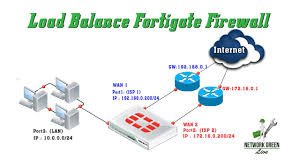
Utilize network segmentation to split your network into disparate zones with separate access controls. Optimize traffic patterns by balancing loads, diversifying network paths, and implementing quality of service (QoS) protocols. Ensure secure connectivity via virtual private networks (VPNs), network redundancy, reliable firewalls, encryption, and hardware-access restrictions.
Help & support
Contact: 9911855111